
What is the grape harvest?

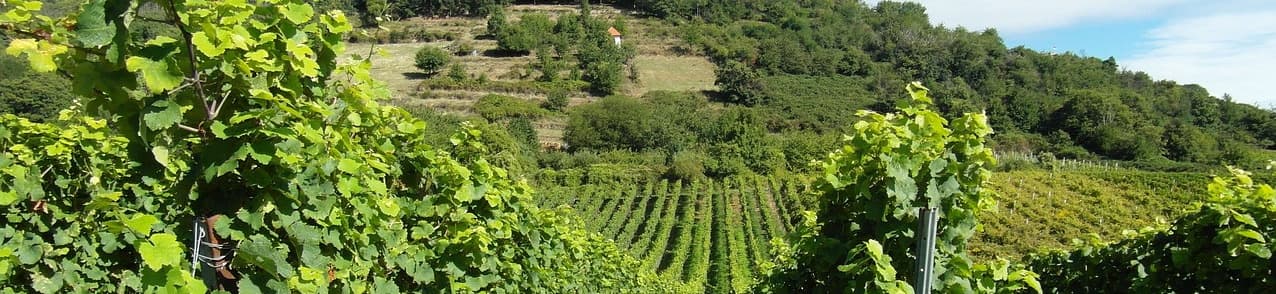
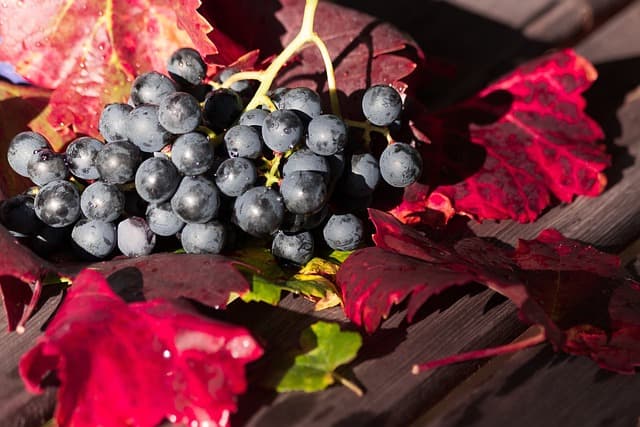
The grape harvest is much more than just a simple collection of grapes in the vineyards; it represents a crucial stage in wine production, marking the end of a long process of vine cultivation and care. Traditionally, the harvest takes place at the end of summer or the beginning of autumn, when the grapes have reached full maturity, with an ideal level of sugar, acidity, and aromas for wine production.

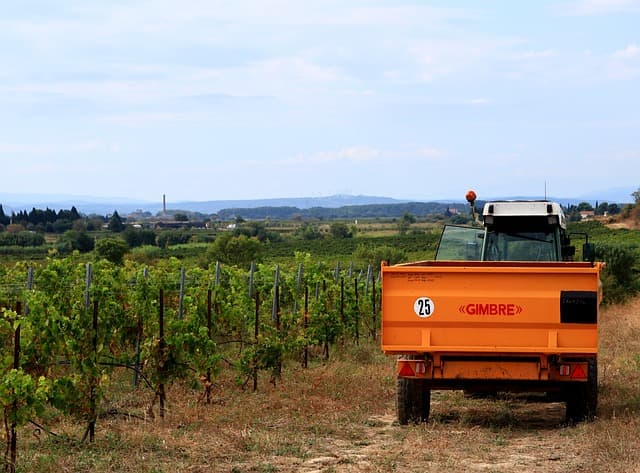
The harvest can be carried out in different ways, with meticulous human labor using pruners to delicately cut the grape clusters, or through the use of special machines that allow for faster harvesting over vast stretches of vineyards.
Once harvested, the grapes are transported to the cellars where the winemaking process begins.

The harvest thus marks the beginning of a series of crucial steps to transform the fruit into wine. The grapes may be sorted and destemmed to remove impurities before being pressed to extract their juice. This precious nectar is then fermented, either through the natural yeasts present on the grape skins or by adding selected yeasts, thus transforming the sugars into alcohol. The fermentation duration can vary depending on the type of wine desired, ranging from a few days to several weeks.

In many wine regions, the harvest is a festive and joyful event. Harvesters, whether professional or volunteer, gather in teams to reap the fruits of a year's hard work and patience. The atmosphere is filled with excitement, camaraderie, and a real connection to nature. The harvest is often accompanied by local traditions, songs, dances, and convivial meals. It is a moment of celebration where winemakers and harvesters share their common passion for wine and its creation.


Moreover, the harvest holds great importance in determining the quality of the vintage and the expression of the terroir in the wine. The maturity of the grapes at the time of harvest, as well as the climatic conditions, influence the unique character of the wine produced. Each year, the vintage reflects the specific characteristics of the terroir and the challenges faced during the growing season. The harvest is therefore a critical period for winemakers, as it can define the reputation and success of a wine estate.
In summary, the harvest is much more than just an act of gathering. It marks the culmination of a passionate and dedicated labor by winemakers, the birth of a promising wine, and the celebration of nature, community, and winemaking tradition.

When does the grape harvest festival take place?

The harvest festival can vary depending on the wine-producing region and the country. Generally, it takes place at the end of the grape harvest period, between September and October, at the end of summer or the beginning of autumn, when the grapes have reached their full maturity…

However, it is important to note that each wine-producing region may have specific dates to celebrate the harvest festival. The festivities can also take place over several days, or even several weeks, with specific events such as parades, wine tastings, concerts, and other cultural activities.

To know the precise dates of the harvest festival, it is recommended to refer to local sources, the websites of the wine-producing regions, or contact the tourism offices of the specific region you wish to visit.

Why harvest the grapes?

The grape harvest is carried out for several essential reasons. First of all, it allows for the grapes to be picked at their full maturity, when their sugar, acid, and aroma levels are optimal. This ensures the quality and the taste potential of the wine that will be produced afterward. Moreover, the grape harvest plays a crucial role in controlling the quantity of grapes harvested, enabling winemakers to manage their production based on demand and the capacities of their vineyard.

The grape harvest is also an important step in preserving the vines. Regular harvesting of the grapes helps maintain the balance between the plant's vigor and fruit production, thus ensuring the long-term health of the vineyards.

Finally, the grape harvest often holds a cultural and festive dimension. It brings together harvesters, whether they are professionals or amateurs, in a spirit of camaraderie and celebration of the fruits of the labor accomplished throughout the year. The grape harvest thus symbolizes the union between man and nature, representing a significant moment in the wine-making tradition.

What is "vin bourru"?

Bourru wine is a term used to describe a particular stage of wine that falls between fermented grape must and finished wine. It is a young and fresh wine, still fermenting, which retains some of the residual sugars from the transformation of grape sugar into alcohol.

Bourru wine is characterized by its slightly sweet taste and slightly sparkling texture, due to the presence of carbon dioxide from fermentation. It is often cloudy and has a paler color than the final wine.

Traditionally, bourru wine is consumed shortly after the harvest, usually during the autumn period. It is appreciated for its freshness and liveliness and is often tasted in wine regions as an early tasting of the current vintage. Bourru wine is considered a seasonal curiosity, an ephemeral taste experience that allows wine lovers to connect to the harvest period and appreciate the evolution of the wine throughout its maturation process.

What is the pay for grape harvesting?

Compensation for grape harvesting can vary significantly depending on various factors. Firstly, the wine region plays a decisive role in the remuneration of grape pickers. Some regions, known for their production of high-end wines, may offer higher rates due to the added value of their grapes. Similarly, the type of vineyard can influence compensation, as organic or biodynamic vineyards, for example, may require more meticulous work and be valued at a higher level.

The country in which the grape harvesting takes place can also have a significant impact on remuneration. Labor regulations, wage standards, and labor costs differ from one country to another, which can be reflected in the wages of grape pickers. For instance, some countries may have legally established minimum wages for agricultural workers, while others may have specific collective agreements for grape harvesting.

Specific working conditions can also influence the remuneration of grape pickers. For example, if the vineyard is terraced or on a steep slope, requiring extra physical effort, this may be taken into account in the compensation. Similarly, if the vineyard is located in a region where weather conditions are difficult or unpredictable, grape pickers may receive additional compensation for their work in these conditions.
It is important to note that there are particular situations where friends or relatives volunteer to help during the grape harvest without being paid. This often occurs in small family-owned vineyards or smaller vineyards where the community aspect is prioritized. In these cases, the work is carried out in a spirit of solidarity and mutual support, where friends come together to offer their help for free. This social tradition helps strengthen community ties and creates a convivial atmosphere around the grape harvest.

In summary, compensation for grape harvesting is variable and depends on several factors such as the region, the type of vineyard, the country, and specific working conditions. Whether through financial remuneration or voluntary participation, grape pickers play a crucial role in the success of the harvest, thus contributing to the production of quality wines and the sustainability of the wine industry.