English






Free pickup point delivery from 69€ (mainland France)
Winemaking is the process of transforming grape juice into wine. It is an art and a science that involves various stages, from harvesting the grapes to bottling the finished wine. The key steps in winemaking include destemming (separating the grapes from their stems), pressing (extracting the grape juice), fermentation (converting sugars into alcohol through the action of yeast), aging (aging the wine in barrels or tanks), clarification (removing unwanted particles), and bottling.
The process varies depending on the type of wine one wishes to produce (red wine, white wine, rosé wine, sparkling wine, etc.) and the preferences of the winemaker. Winemaking is a combination of art and science, where the winemaker's decisions, the terroir (the environmental conditions specific to the production region), and the winemaking techniques used all contribute to creating a unique wine in terms of flavor, aroma, and characteristics.
The choice of the grape harvest period for winemaking is crucial in determining the flavor profile, acidity, residual sugar, and even the alcohol content of the final wine. Several factors influence this choice.
First, the ripeness of the grapes is a key element: it depends on the sugar, acid, and phenolic compound content of the grapes, which evolve over the weeks. The terroir, including the climate, soil, and sun exposure, plays a major role in the ripening of the grapes.
The grape variety used and the desired wine style are also essential considerations. For example, for dry white wines, grapes are often harvested earlier to retain a bright acidity, while for red wines, one might wait for fuller ripeness to develop tannins and more complex aromas.
Finally, short-term weather forecasts are also taken into account, as unexpected rain or a heat spike can significantly impact the quality of the harvest. In conclusion, choosing the harvest period is a complex and essential art for producing quality wine.
The fundamental difference between the winemaking of red wines and that of white wines lies in the fact that red wines are made from black (or red) grapes and the must (juice) is in contact with the grape skins during fermentation, whereas white wines are produced from white grapes (or black grapes with thin skins) and the must is generally separated from the skins immediately after pressing. This period of contact with the skins gives red wines their color, tannic structure, and some of their aromas, while white wines remain clear and tend to be fresher and fruitier due to the absence of contact with the skin pigments.
The winemaking methods, fermentation vats, temperatures, and fermentation durations also vary between the two types of wine to promote the desired characteristics, creating an essential distinction in the production process.
Yeasts play a central and crucial role in the alcoholic fermentation process of wine. These unicellular microorganisms, primarily from the Saccharomyces cerevisiae family, are responsible for converting the sugars present in grape juice into ethyl alcohol (ethanol) and carbon dioxide during fermentation. This biochemical reaction, called alcoholic fermentation, is essential for transforming grape must into wine.
Yeasts consume the sugars, generally glucose and fructose, and produce alcohol as well as various aromatic and chemical compounds that give the wine its unique character in terms of flavor and aroma.
The alcoholic fermentation process can last from a few days to several weeks, depending on the type of wine and fermentation conditions, and it is closely monitored by winemakers to ensure that fermentation proceeds optimally to achieve the desired wine profile.
The choice of fermentation tank type, whether it is stainless steel, wood, or concrete, has a significant impact on the characteristics of the wine.
Stainless steel tanks are neutral, meaning they do not add any flavors or aromas to the wine. They are often used for white wines and rosé wines to preserve the freshness of fruit aromas and ensure a clean and controlled fermentation.
On the other hand, wooden tanks, typically made of oak, impart aromas of vanilla, toast, caramel, and tannins to the wine. These tanks are commonly used for red wines and some white wines, contributing to the complexity and structure of the wine.
Concrete tanks, which are becoming increasingly popular, offer effective thermal regulation and slight porosity, allowing for controlled micro-oxygenation. They are used for red and white wines and can give the wine a silky texture and distinct minerality.
Ultimately, the choice of tank material depends on the desired wine style and the winemaker's preferences, and it can significantly influence the aromatic characteristics, structure, and texture of the wine.
Maceration is a key process in the making of red wines. It involves leaving the must (grape juice) in contact with the skins, seeds, and stems of the grape during alcoholic fermentation. This period of contact allows the compounds present in the grape skin, such as tannins, pigments, and aromas, to gradually dissolve into the must. The importance of maceration lies in the fact that it gives red wine its color, its tannic structure, and a large part of its complex aromas, notably the aromas of red and black fruits, spices, and undergrowth.
The duration of maceration can vary depending on the desired wine style. A short maceration, usually lasting a few days to a week, will produce a light and fruity red wine with soft tannins. A prolonged maceration, which can last several weeks, will produce a more full-bodied red wine, rich in tannins, with an intense color and complex aromas. The maceration process is closely monitored by the winemaker, who determines the optimal moment to separate the must from the skins, marking the end of maceration.
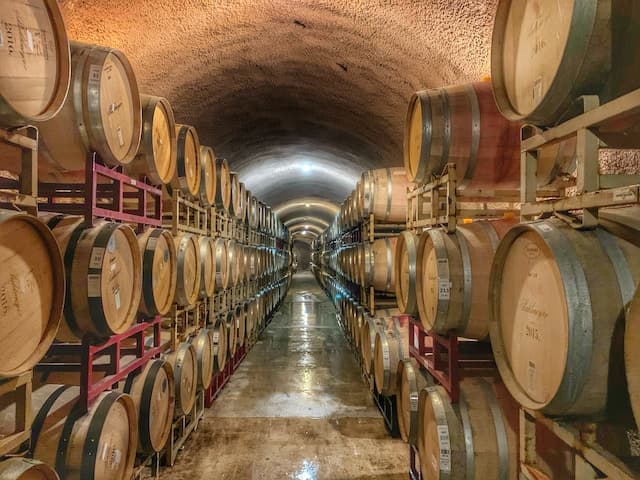
The use of oak barrels in wine fermentation has both advantages and disadvantages. Among the advantages, there is the addition of complex flavors and aromas to the wine, such as notes of vanilla, caramel, toast, and spices, which contribute to its richness and complexity. The tannins in the wood can also help soften the wine's structure by binding with the grape tannins.
Additionally, oak barrels allow for controlled micro-oxygenation which promotes the development of aromas and the maturation of the wine. Oak barrels provide a silky texture and a velvety mouthfeel to the wine, which is particularly appreciated in aged red wines.
However, the use of oak barrels also has disadvantages. The costs associated with purchasing and maintaining the barrels are high, which can increase the price of the wine. Furthermore, the wood can mask the natural characteristics of the grape, which can be problematic if the winemaker wishes to preserve the specific aromas and flavors of the terroir.
Finally, over-oaking, which is excessive exposure to wood, can result in a dominance of woody aromas at the expense of other characteristics of the wine.
The fermentation temperature is a critical factor in winemaking, and it significantly influences the flavor profile of a wine. Generally, a lower fermentation temperature, around 15 to 20 degrees Celsius, favors the preservation of primary aromas and the freshness of the fruit. It also allows for a gentler extraction of tannins, which is desirable for red wines that aim for a softer texture and more expressive fruit flavors. Wines fermented at lower temperatures tend to be more aromatic and exhibit higher levels of acidity.
In contrast, fermentation at higher temperatures, typically between 25 and 30 degrees Celsius, can intensify the extraction of tannins, aromas, and flavors, but it also risks bringing out spicier, woodier, and more complex notes. This method is often used for red wines intended for prolonged aging, as it promotes the structure and complexity of the wine. However, an excessively high fermentation temperature can lead to a loss of fruity aromas and an imbalance in the wine.
The clarification and filtration steps are essential in winemaking as they aim to remove undesirable particles and ensure the clarity, stability, and quality of the wine. Clarification usually begins with decantation, where the wine is transferred to a clean tank to separate sediments and impurities. Then, clarifying agents such as bentonite (clay) or gelatin are sometimes added to agglomerate the suspended particles, making their removal easier.
The filtration process follows to eliminate the remaining fine particles. This involves passing the wine through filters that trap undesirable particles, whether they are solid or microscopic. The filters can be made of various materials, such as paper, cellulose, or even advanced membrane filtration systems.
Clarification and filtration are crucial steps to ensure that the wine is clean, stable, and that it fully expresses its organoleptic characteristics during tasting.
Blending in winemaking is the process of mixing different batches of wine from various grape varieties, vineyard plots, or tanks to create a final wine that is balanced and consistent in terms of flavor, aroma, and structure. This practice is commonly used to produce complex and harmonious wines by leveraging the strengths of each component to correct the weaknesses of others. Blending allows the winemaker to create a wine that can be more balanced in acidity, residual sugar, tannins, and aromas than each individual batch. It is particularly common in the production of red wines, but it can also be used for white wines and other types of wines. The ultimate goal of blending is to create a wine that reflects the best possible expression of the terroir, vintage, and desired wine style, while offering an exceptional tasting experience to the drinkers.
Sweet wines and dry wines are primarily distinguished in terms of winemaking by the management of residual sugar in the wine. The main difference lies in the fact that sweet wines contain a significant amount of residual sugar, whereas dry wines are practically devoid of residual sugar.
In the case of sweet wines, winemaking generally involves stopping the alcoholic fermentation before all the sugar in the grape must is converted into alcohol. This can be achieved by cooling the must to slow down or stop the yeasts, adding alcohol (mutage method, used notably for Port wines) or filtering the yeasts once they have reached a certain alcohol level. The residual sugar gives sweet wines their sweetness and body, as well as ripe fruit and honey aromas.
Conversely, to produce dry wines, the alcoholic fermentation is generally pushed until almost all the sugar is converted into alcohol, creating a wine without notable sweet flavor. This winemaking process favors the expression of other grape characteristics, such as acidity, tannins, and aromas, giving dry wines their sharper and less sweet flavor profile.
The differences between traditional winemaking and organic or biodynamic winemaking lie mainly in the methods and principles adopted during the wine production process.
Traditional winemaking, which is the most common method, can involve the use of chemicals such as pesticides, herbicides, and synthetic fertilizers in the vineyards to control pests and improve grape growth. Commercial yeasts are often used for fermentation, and additives such as sulfur are commonly added to stabilize the wine.
On the other hand, organic winemaking is based on more environmentally friendly practices. It generally excludes the use of synthetic chemicals in the vineyards, favoring biological methods to control pests and promote biodiversity. Indigenous yeasts, naturally present in the vineyard, are encouraged for fermentation, and chemical additives, including sulfur, are minimized.
Biodynamic winemaking goes even further by adopting a holistic approach to viticulture, based on natural cycles and cosmic forces. It incorporates practices such as biodynamic preparations, which are preparations made from plants, minerals, and organic fertilizers, as well as respect for the days of the moon and stars for various stages of viticulture and winemaking.
Traditional winemaking relies on conventional methods with the use of chemicals, while organic and biodynamic winemaking favor more natural and sustainable approaches, with a focus on environmental preservation and minimizing chemical additives. These alternative practices aim to produce wines that better reflect the terroir and address growing concerns about sustainability and health.