
 English

What Exactly Is Alcohol-Free Wine?
- Vin sans alcool
- 2 likes
- 11668 views
- 0 comments

What Is “Alcohol-Free Wine”?
Before diving into alcohol-free wine, let’s take a step back and define what traditional wine really is.
Wine is a fermented grape-based beverage that typically contains 83% water, around 15% alcohol, and a mix of sugars, minerals, and phenolic compounds.
According to French regulations, wine is exclusively the result of full or partial alcoholic fermentation of fresh grapes (crushed or not) or grape must, and it must have an alcohol content above 8.5% by volume.
Since alcohol-free wine is below this threshold, it is legally classified as a “dealcoholized wine” or “wine-based beverage.” However, this classification is expected to evolve in upcoming legislation.
The first method of dealcoholization dates back to 1908 in Germany, pioneered by Carl Jung. Since then, many other techniques have emerged.
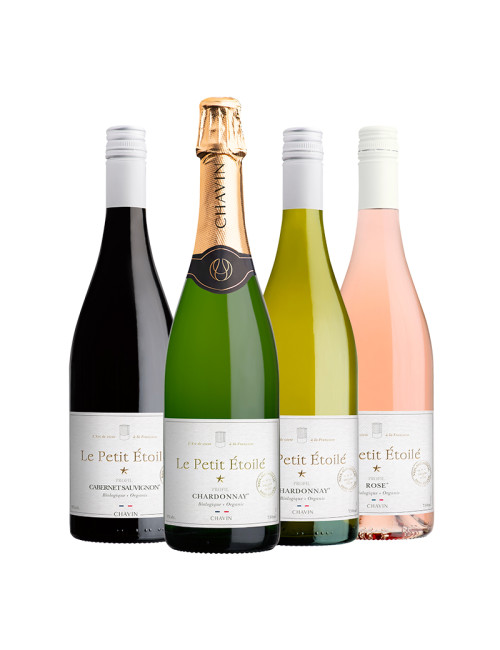
At Chavin, we use two distinct methods to craft our alcohol-free beverages. The first involves infusing grape must and juice with natural wine elements like seeds and yeasts—without any fermentation—used in ranges like Le Petit Étoilé and Opia.
The second, which more closely mimics the world of wine, is dealcoholization. In our Pierre Zéro range, we use a gentle spinning cone column technique—distilling the wine at low temperatures after fermentation to preserve maximum flavor and complexity.
Of course, these methods cannot replicate every organoleptic property of wine. Alcohol plays a key role in balance, mouthfeel, and length on the palate. But alcohol-free wine strives to get as close as possible.
Why Choose Alcohol-Free Wine?
The goal isn't to compete with or replace traditional wine. On the contrary, wine-based non-alcoholic beverages are a natural extension of the wine world, designed for a different audience: pregnant women, older adults, athletes focused on nutrition, and anyone choosing an alcohol-free lifestyle.
Whether it’s for health, sobriety, polyphenols, resveratrol, antioxidants, vitamins—or simply for celebration, flavor, sharing, sociability, or self-image—motivations are personal and varied.
Comments (0)